Is Rubber Plant toxic to dogs?
Ficus elastica
Symptoms in dogs
- dermatitis
- mild oral irritation
- drooling
- vomiting
What to do if your dog ate this plant
- Remove any visible plant material from your dog's mouth.
- Rinse the mouth gently with water if your pet allows it.
- Do not induce vomiting unless instructed by a veterinarian.
- Contact your vet immediately, or the ASPCA Animal Poison Control Center at (888) 426-4435 (consultation fee may apply).
- If possible, bring a sample of the plant or a clear photo to the vet.
- Watch for: persistent drooling, swelling around mouth/face, trouble breathing or swallowing, or repeated vomiting — these warrant emergency care.
Why is it toxic?
Rubber Plant contains proteolytic enzyme (ficin), psoralen. When chewed, these compounds release into the mouth and digestive tract, causing irritation and the symptoms listed above.
Prevention tips
- Place the plant in a hanging basket or on a high shelf out of dog reach.
- Use bitter-tasting pet-safe sprays on lower leaves as a deterrent.
- Provide your dog with their own safe greenery (cat grass for cats, pet-safe herbs for dogs).
- Train your dog away from houseplants with positive reinforcement.
Pet-safe alternatives
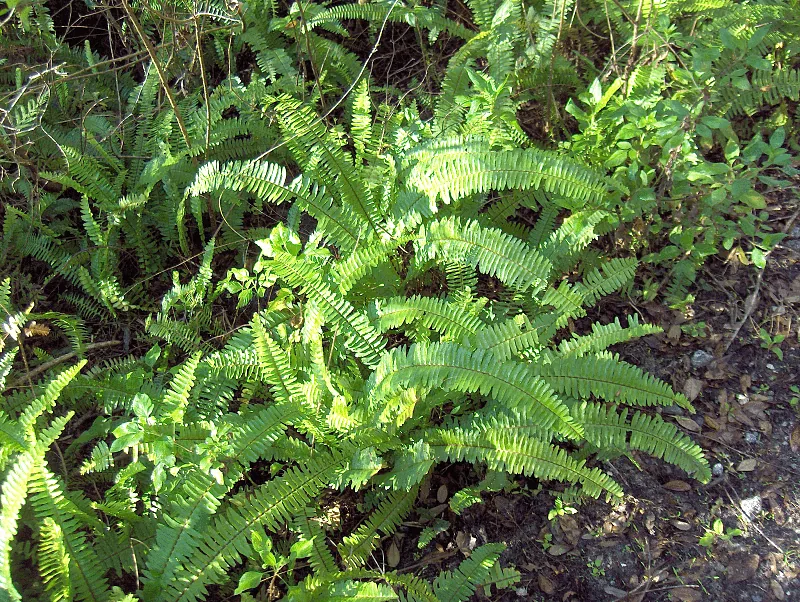
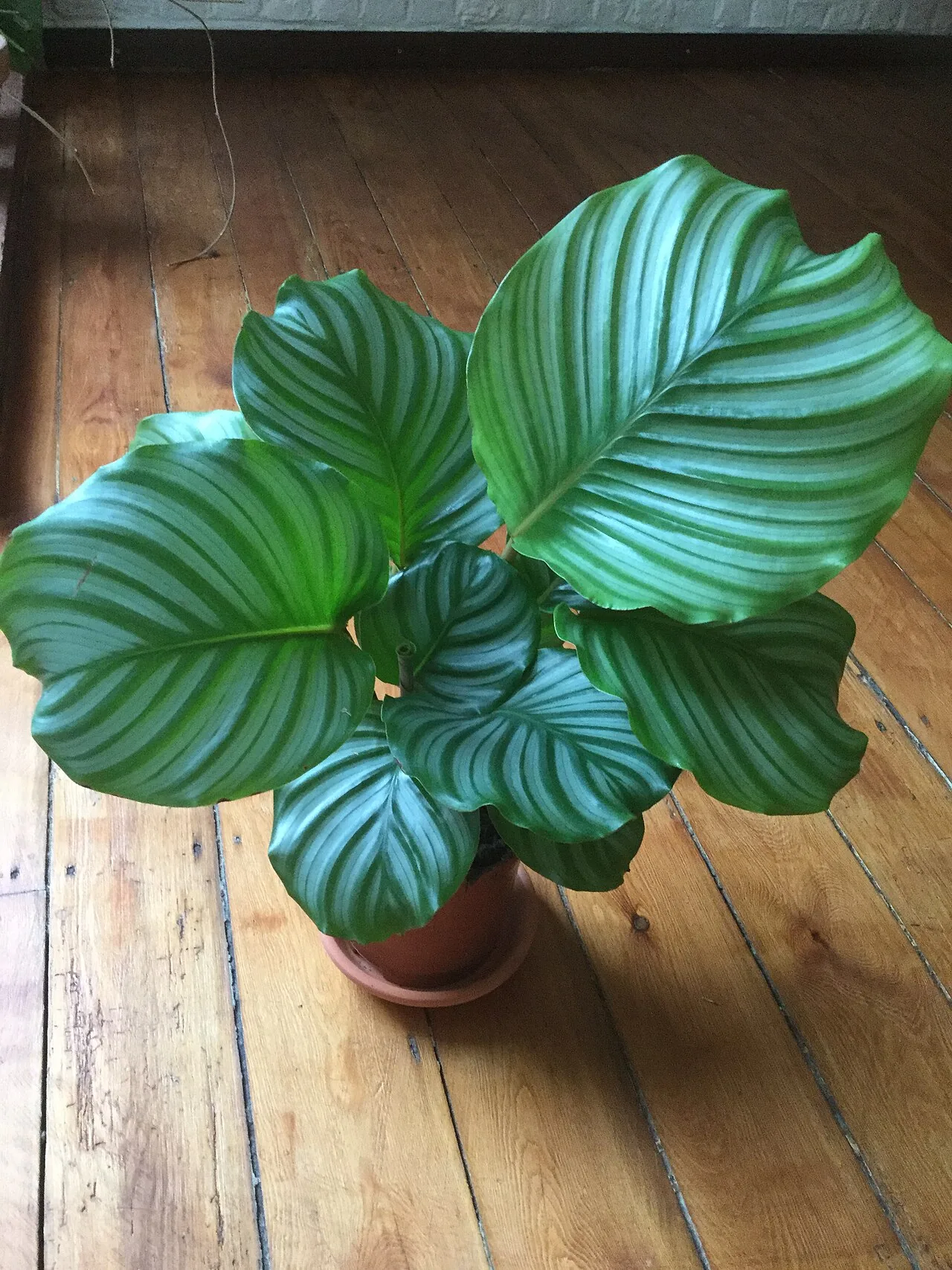
If you love how Rubber Plant looks but want a dog-safe option, try one of these.

Frequently asked questions
Is Rubber Plant toxic to dogs?
Yes. Rubber Plant is rated mild toxicity for dogs by the ASPCA. It contains proteolytic enzyme (ficin), psoralen.
What happens if my dog eats Rubber Plant?
Common symptoms include dermatitis, mild oral irritation, drooling, vomiting.
What should I do if my dog ate this plant?
Remove any plant material from the mouth, rinse the mouth with water, and contact your vet or the ASPCA Animal Poison Control Center at (888) 426-4435. Bring a sample of the plant if you can.